
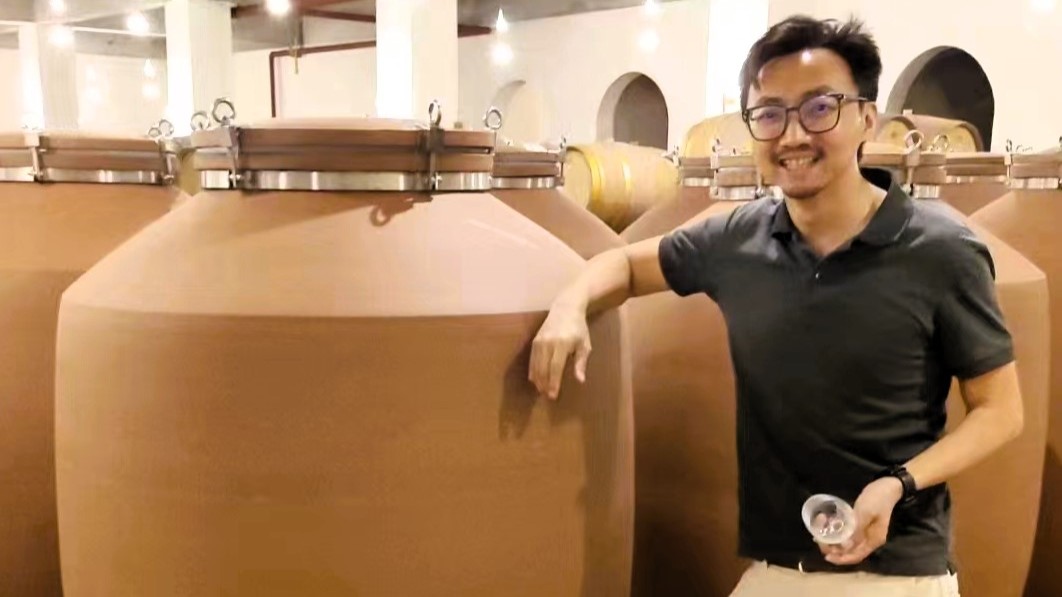
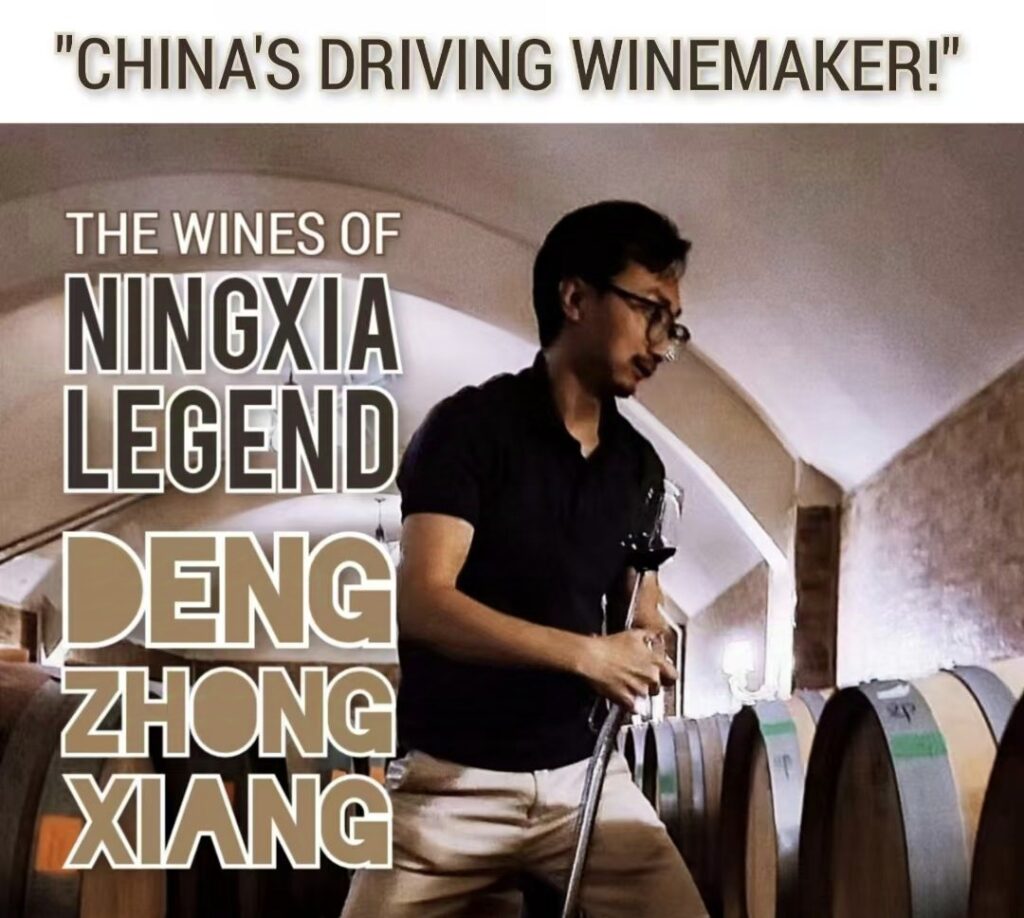
Deng Zhongxiang aka “China’s Driving Winemaker” is relentlessly on the road while keeping ten clients in Ningxia happy. From stony fields nestled near the Helan Mountains to sandy windswept soils further afoot, he crafts a style for each winery, with a collective portfolio of a dozen-plus grape varieties.
But Deng–who earned his wine-making degree in Burgundy and worked both there and Bordeaux–is more than a magician in the winery. He also has lofty goals for wine promotion, with a mission to hold 1000 tastings across China.
In this Q&8, I ask him about that project, about his daily journeys, about making OEM wine, his support of Marselan and the prospects for Pinot Noir in Ningxia. Check it out below!
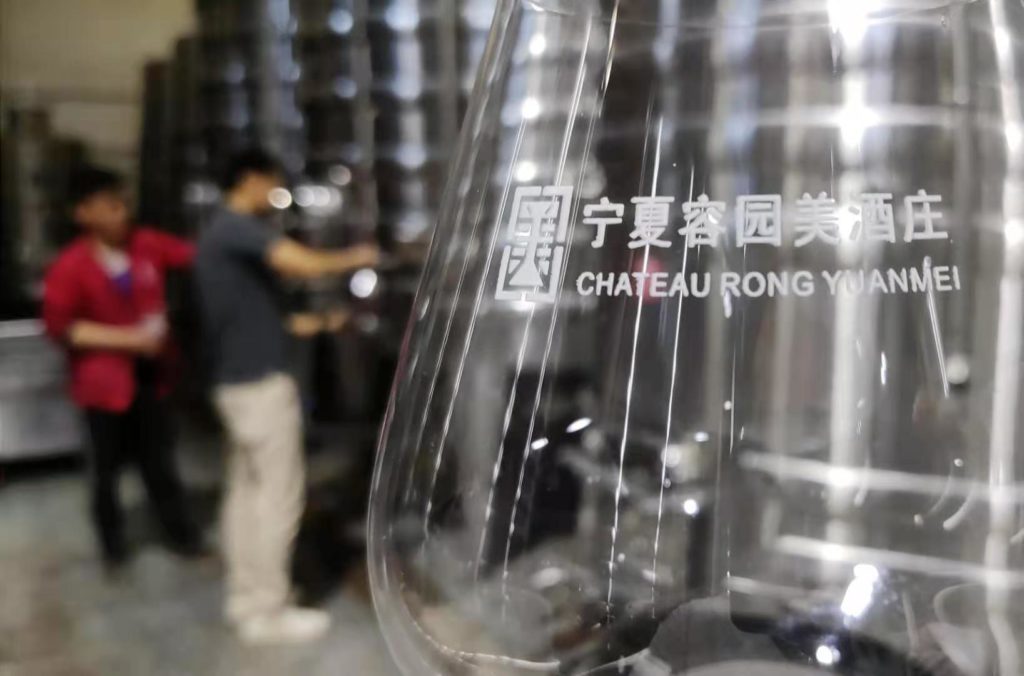
(Deng’s clients include well-regarded wineries like Mountain Wave, Lansai, Charme and Rongyuanmei.)


1. You’ve been called a “driving winemaker” because you consult for ten Ningxia wineries and must make many visits. What is your day like during the busiest times?
The busiest time is undoubtedly during harvest and winemaking. Every day, I have to visit each winery to check the condition of the grape must that is already in the tank and fermenting.
Each tank needs to be tasted and monitored for fermentation progress, and I have to provide guidance for the next day for each winery. If there are issues, adjustments must be made in real time.
In between, I need to check the ripeness of the grapes still on the vines, and based on weather forecasts and physicochemical indicators, determine the exact harvest time for each vineyard plot. Different grape varieties and plots require different timing.
To sum it up with numbers, driving from north to south, the distance is about 150 to 180 kilometers per day one way. Sometimes, due to unexpected circumstances, I have to make round trips of up to 300 kilometers.

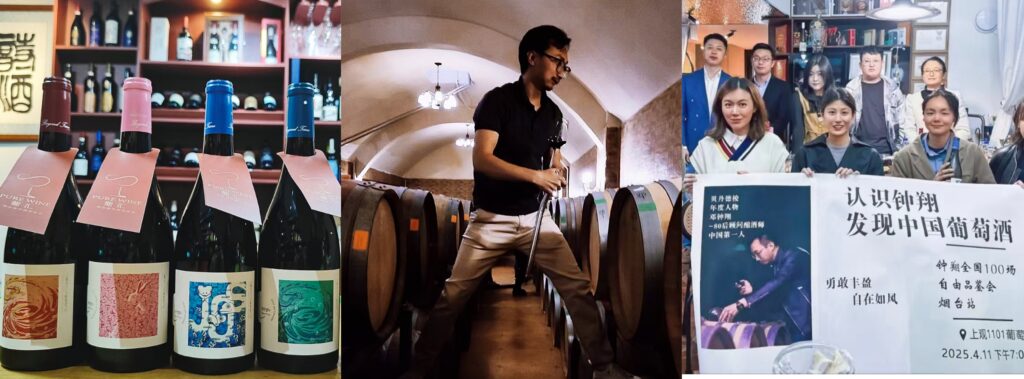
2. You launched a mission last year to do 100 wine tastings nationwide, providing trade people six bottles of wine each for events. Now you have upped the profgram to 1,000 tastings. What is this project all about?
Due to my busy work schedule, I don’t have much time to travel for promotional activities.
Wine is different from electronic products: people can’t simply rely on specifications or on data to determine which wine tastes better. The only way is to pour the wine into a glass, let its aroma fill the nose and let the liquid touch the palate. Through tasting, people can truly recognize the differences between various wines.
Traditional promotion methods are too slow—wine estate owners or winemakers host dinners in different cities, each with just a dozen or so attendees, which only reaches a very limited audience.
So, I’ve adopted a more straightforward approach: I let wine merchants or educators interested in Chinese fine wine organize events their own way, using their expertise, while I simply provide wine.
This approach definitely yields results, though not necessarily immediate ones. It doesn’t lead to a sudden surge in orders, but rather creates a long-term gradual influence.
It has also helped me establish connections with wine merchants in places I’ve never been to before. For instance, in far-flung regions that we rarely visit for promotions, such as southernmost Hainan Island and China’s three northeastern provinces, wine merchants have participated in these activities. This is actually wonderful.

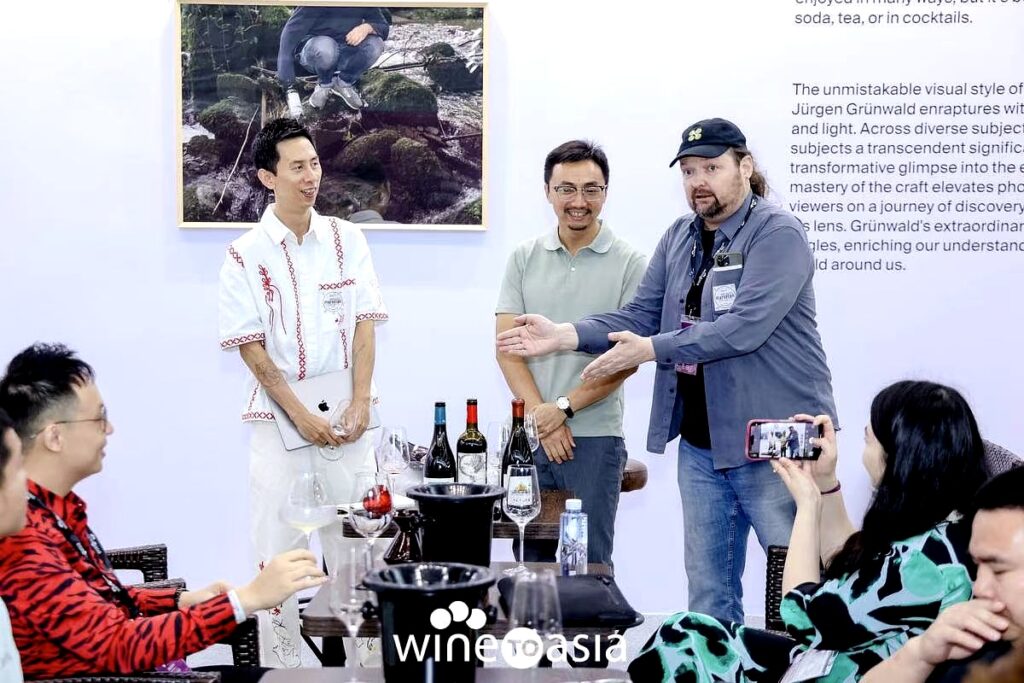
3. You have led World Marselan Day events like a wine dinner at The Merchants in Beijing and a master class at Wine to Asia in Shenzhen. Both events focused on how Marselan is affected by micro-terroirs in Ningxia, such as your clients Lansai, Mountain Wave, Rongyuanmei, and Charme. So, how do they affect Marselan?
We’ve talked about this many times, but this time it is for the readers.
Marselan is more adaptable than many other varieties—it is drought-resistant, heat-tolerant and resilient against pests and diseases. In years with insufficient sunlight, it doesn’t develop the unripe green notes sometimes found in Cabernet Sauvignon.
Naturally, differences in vineyard sites, microclimates and viticultural practices can influence the character of Marselan. For example, in the hotter rocky plots of the Jinshan region, like at Domaine Charme, Marselan tends to be very concentrated and powerful. In contrast, Marselan from the sandy soils of the Qingtongxia region displays a cooler-climate style—more floral aromas, brighter acidity and a relatively lighter body. Each vineyard’s terroir shapes the final wine.


4. I think Mountain Wave may be the only winery with Malbec, Marselan and Pinot Noir grapes, even using them in a blend. What challenges does that pose? And for someone who trained in Burgundy, is Pinot Noir a good fit for Ningxia?
Actually, blending is not a challenge; rather, it is a relatively safe solution, and this is true worldwide. When a piece of land is planted with different grape varieties, their growth characteristics, ripening times, adaptability to climatic conditions and harvest periods all differ. This undoubtedly disperses the risks associated with planting and producing a single variety.
In less-than-ideal vintages, if the quality of one variety is unsatisfactory, the winery can still rely on other varieties for blending, which reduces the risk of a sudden drop in the quality of the final product.
Pinot Noir is difficult to grow almost anywhere in the world, even in its homeland, Burgundy. Whether or not it is suitable for Ningxia, I can only say it’s not easy.
I believe Pinot Noir from every region differs. Ningxia has a warm dry continental desert climate, mostly with sandy and rocky soils. The main challenges encountered in the past were overly high sugar levels and insufficient acidity during ripening due to the excessive heat, as well as inadequate time for phenolic compounds to fully mature. This resulted in wines that are rich but lacking in finesse.
In recent years, with the northward shift of China’s precipitation line, issues like sour rot and other grape diseases have become more common. Therefore, a great deal of time and effort must be devoted every year to tending to this variety.
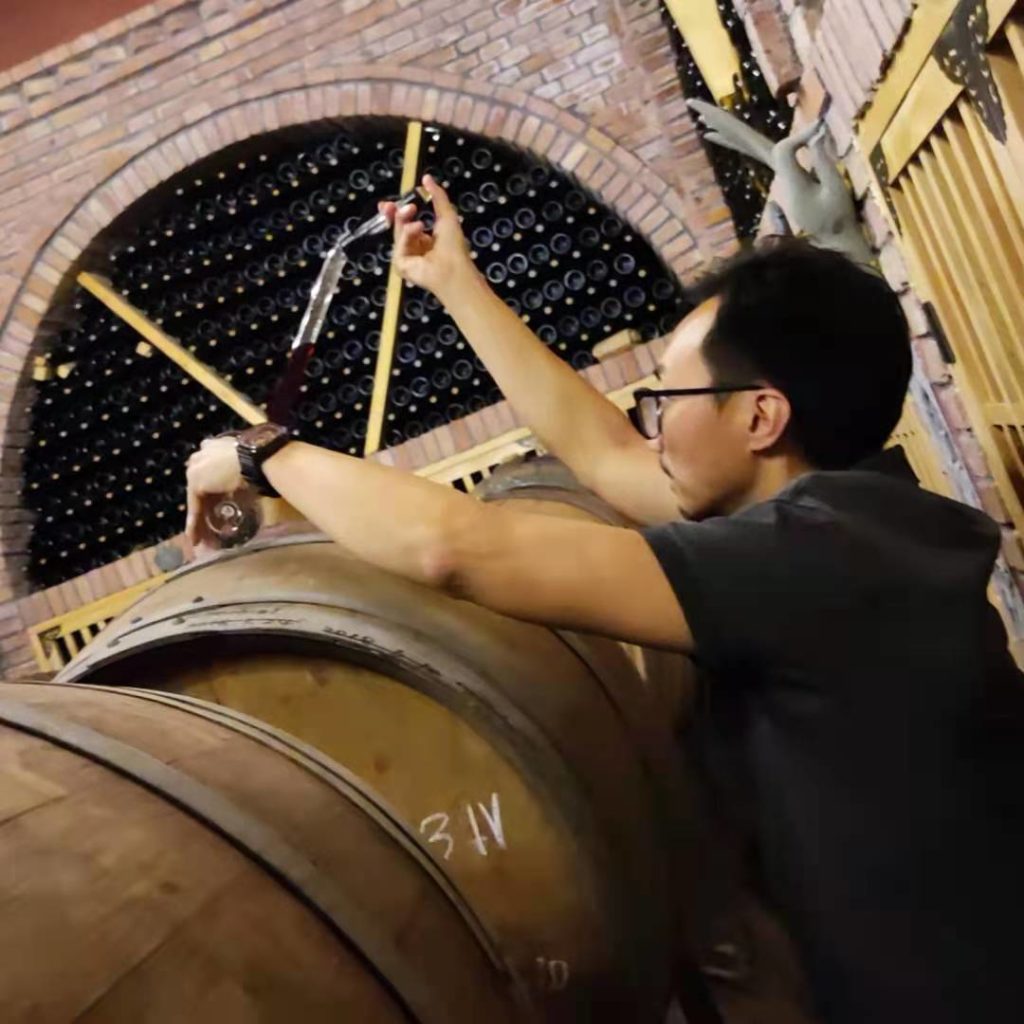
5. You have made or provided wine for individuals, the most famous being Wang Shenghan aka “Lady Penguin.” Restaurants, bars, and companies also source wine from you to create their own labels. If a wine bar wants its own label, what is the process for doing this?
I should clarify that the project with Lady Penguin is quite different. Her operation is relatively large in scale—I make 100 tons of base wine for her each year. So, just like with the other wineries I work for, I serve as her winemaking consultant, helping her craft wines for her own brand starting from the very source.
As for other clients, they fall under OEM collaborations. My requirement for them is a minimum order of 200 cases (1,200 bottles)—this is the smallest quantity most packaging suppliers accept, covering labels, capsules, cases and so on.
The wine itself comes from the surplus beyond what my own brand can absorb each year, drawn from all the wine I produce annually.
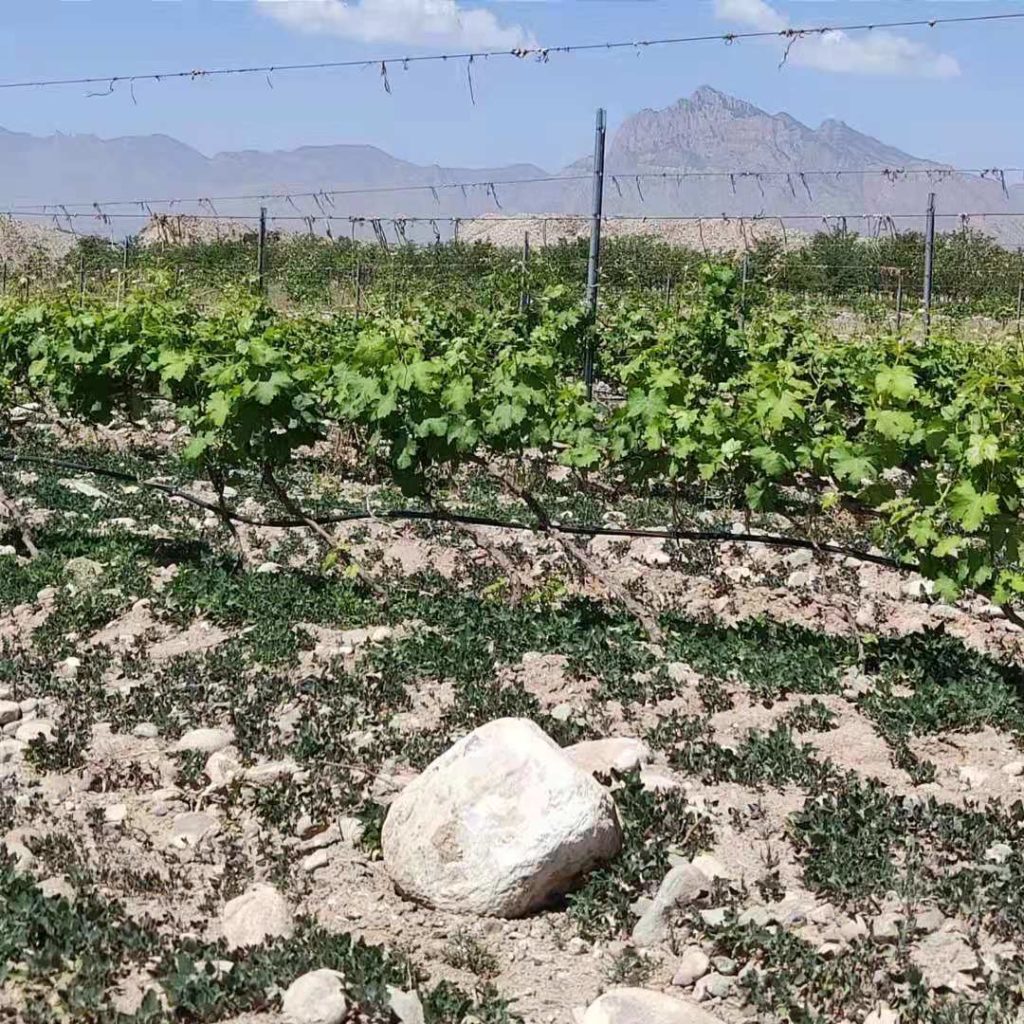
6. You wrote about the fickle nature of climatic events like hail or rain. After one heavy downpour, you stated, “Walking through vineyards, you find some plots completely unaffected, making you marvel at how much luck plays a role in this world.” Could you talk more about such events in Ningxia??
Ningxia is a long and narrow wine region, stretching over a hundred kilometers from north to south, with its core production area extending over 60 kilometers. Because of this, the climatic differences between its sub-regions are quite distinct.
Due to my work, I often travel between the Yinchuan and Qingtongxia production areas on the same day. It’s not uncommon to drive from rain into sunshine or from sunlight into a hailstorm. Severe convective weather often only affects localized areas, while what truly troubles winemakers the most is large-scale continuous rainfall that persists for days.

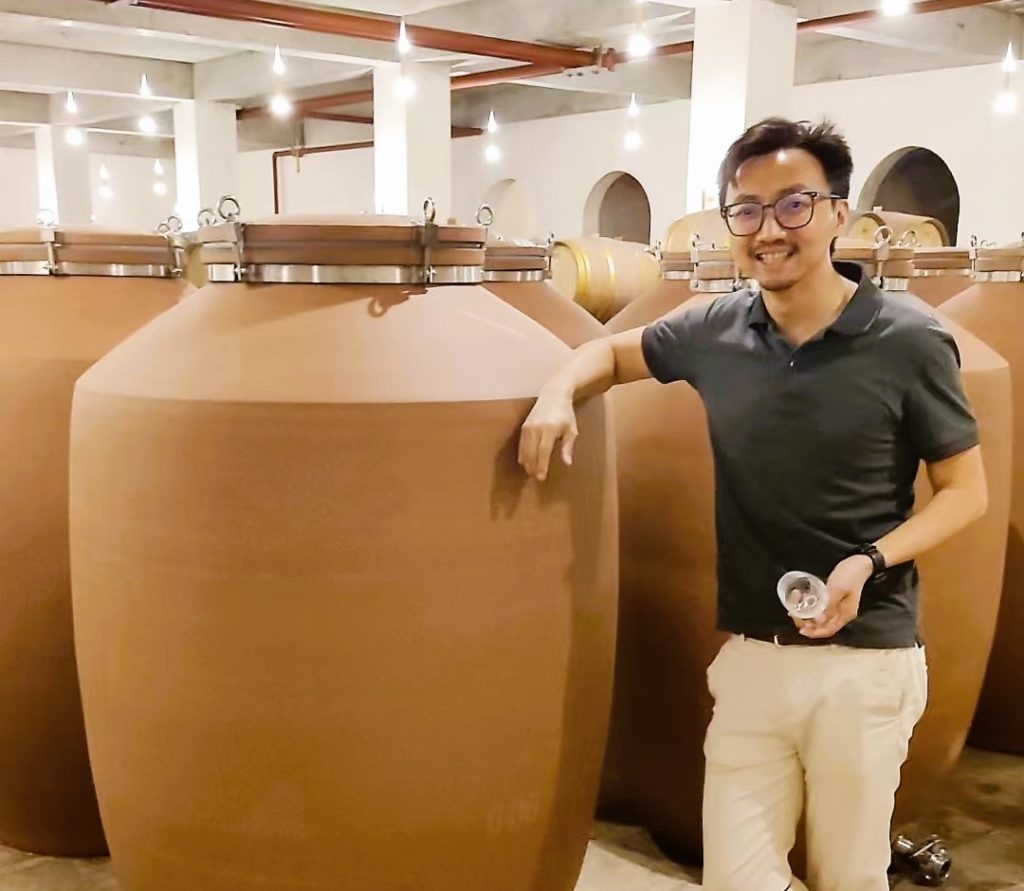
7. You have been in Ningxia for over ten years, a time during which the region saw major gains in wine quality. At the same time, other places such as Shangri-la, Yili, Huailai and Yantai are also rising. What does Ningxia need to do to further boost its quality and maintain its momentum?
I think the biggest challenge now is the changing wine consumption environment. Wineries’ cash flow is tightening—for an industry to thrive, the businesses within it need to make money.
With sufficient funds, winery owners will naturally be more motivated to improve product quality—in the vineyards, in the fermentation areas, in the aging cellars. In truth, there’s no need to force anything; with ample capital, many issues will resolve themselves.

8. You wrote, “I have always said that the wine I want to make is good and not expensive. I have been back in China for more than a decade and that has never changed.”
What do you see happening in the next decade, for Chinese wine, for Ningxia wine and for your wines?
I have always believed that Chinese wine will only get better. But if you ask me what it will be like ten years from now, I truly don’t know—just as ten years ago, I never imagined it would have developed to where it is today.
There’s an old Chinese saying: Do what you ought to do in March and April, and by September and October, you’ll have your answers.
Also see:
- National Effort: 100 China Wine Tastings on a Budget (2025)
- Terroir at 200 KM Per Day: China’s ‘Driving Winemaker’ (2023)
- Deng Zhongxiang on Wine Consulting, Hoverboards and Hobbies (2021)
- One Man, One Mission: Explore Ningxia Terroir with Deng Zhongxiang (2021)

(Get the free Grape Wall newsletter here. Follow on LinkedIn, Instagram, Facebook and Twitter. Grape Wall has no sponsors: help support the mission, including World Marselan Day via PayPal, WeChat or Alipay. Contact Grape Wall at grapewallofchina (at) gmail.com.)