
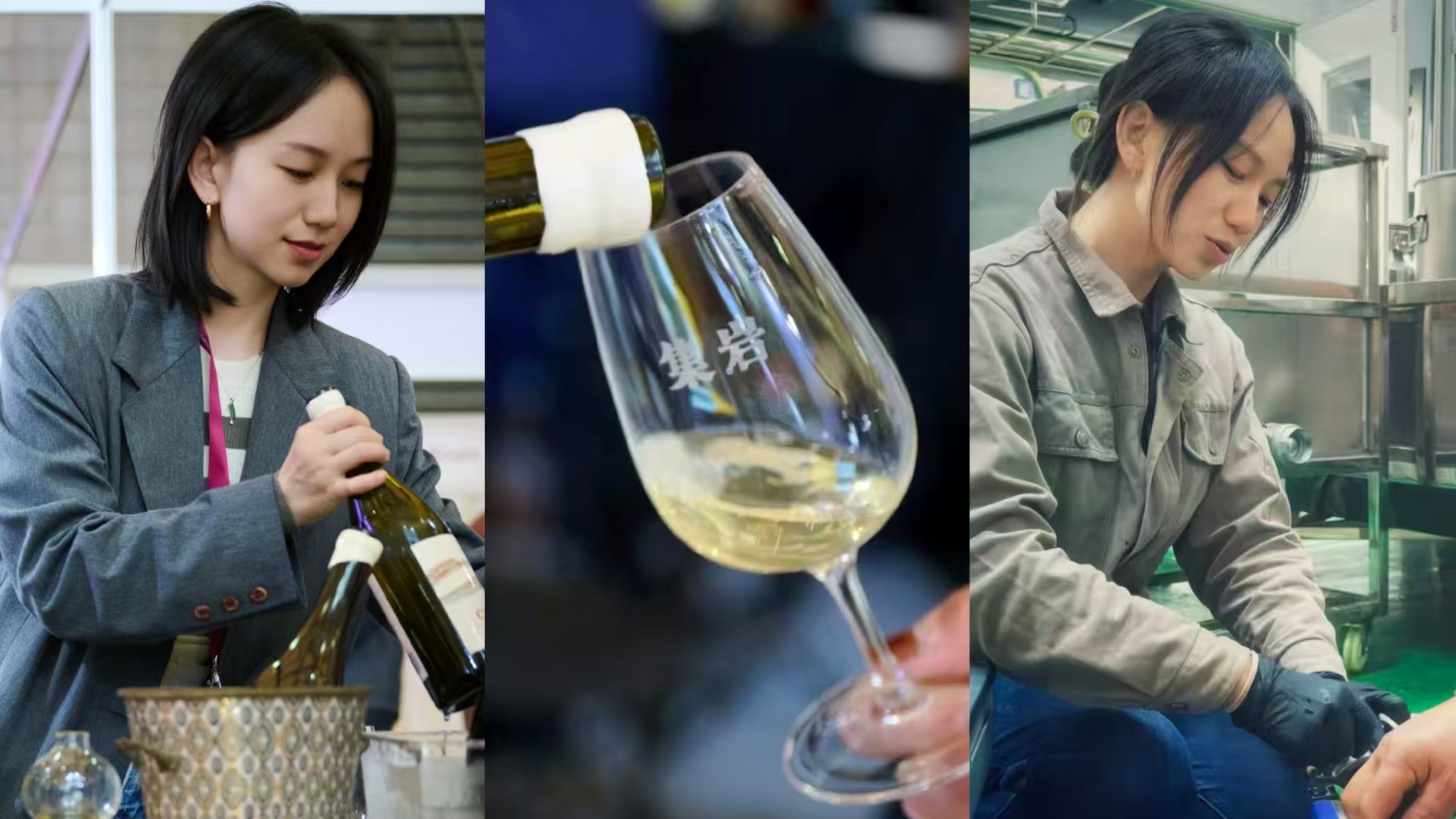
Coram Collective 集岩酿造 ranks among the most intriguing projects to pop up in China in recent years. Founded in 2023, with production from 2024, this “ricery” follows two paths: one is co-fermenting rice wine and grape wine like Chardonnay and Merlot; the other is innovating huangjiu aka yellow wine, an ancient Chinese alcohol.
“Our goal is not only to preserve tradition, but also to explore what the future of Chinese fermented beverages could look like,” says Coram co-founder Alex Yuanzhu Wang.
In this Q&8, I ask Wang what newcomers should know about huangjiu, about her rice wine and grape wine co-ferments, about consumer and trade response to these products—they are already in over 100 bars and restaurants, and more.
Check it out below. And check out more Q&8s here.


Grape Wall Coram Collective 集岩酿造 is fairly new to the China alcohol scene. Could you tell us about your background and how you started with rice wine and grape wine?
Wang Yuanzhu After graduating with a degree in Chinese literature, I joined a wine importing company in Shanghai and worked in purchasing. Through that experience, I discovered just how diverse and fascinating the world of wine can be.
One of the people who had a big influence on me was a winemaker from Burgundy. What surprised me was how optimistic he was about the future of Chinese wine—especially huangjiu. That conversation planted a seed, and that’s really where everything began.
We started to build a ricery in Shaoxing in 2023, with the goal of making great huangjiu. Along the way, we also started experimenting with new ideas. One of our very first trial products was a co-fermentation of rice and grapes, created during our first year of production.


2 I met you at Wine to Asia last month, where huangjiu was having a moment. A decidated huangjiu area. A huangjiu master class. Grape wines leveraging huangjiu, including Coram Collective and Lingering Clouds. Even a whisky from Laizhou aged in huangjiu-seasoned barrels.
What’s the status of huangjiu now? And what are some things newcomers to this ancient alcohol should know?
For most consumers, huangjiu is still trying to find its place. If people want a drink to pair with food, they often reach for wine nowadays, especially Chinese wine, which has gained a lot of attention in recent years. And when it comes to business dinners or traditional celebrations, [the grain spirit] baijiu is still the go-to choice.
Although we are seeing more and more new huangjiu brands emerging, there is still a lot of room for the category to grow when it comes to everyday drinking and casual occasions.
I think there are things newcomers should know about huangjiu.
One of the biggest misconceptions about huangjiu is that it is just cooking wine. In fact, huangjiu is a traditional fermented beverage with a complex brewing process, a long history and many different ways of being enjoyed.
What people call “cooking wine” is usually made from lower-grade huangjiu, with salt and other ingredients added to it. Good huangjiu, however, is meant for drinking—whether on its own, with food or shared around the table.
Older doesn’t always mean better. Most huangjiu shows its best between three and eight years of aging. While some exceptional examples can age gracefully for decades, many begin to lose freshness after 10 years.
And a lot of people think huangjiu is more likely to make them feel rough the next day. Part of that reputation comes from older styles that were often sweeter and more oxidized. Huangjiu is also commonly served warm and consumed during long meals, so people may end up drinking more than they realize.
Modern styles are often fresher, cleaner and much more approachable than many people expect.

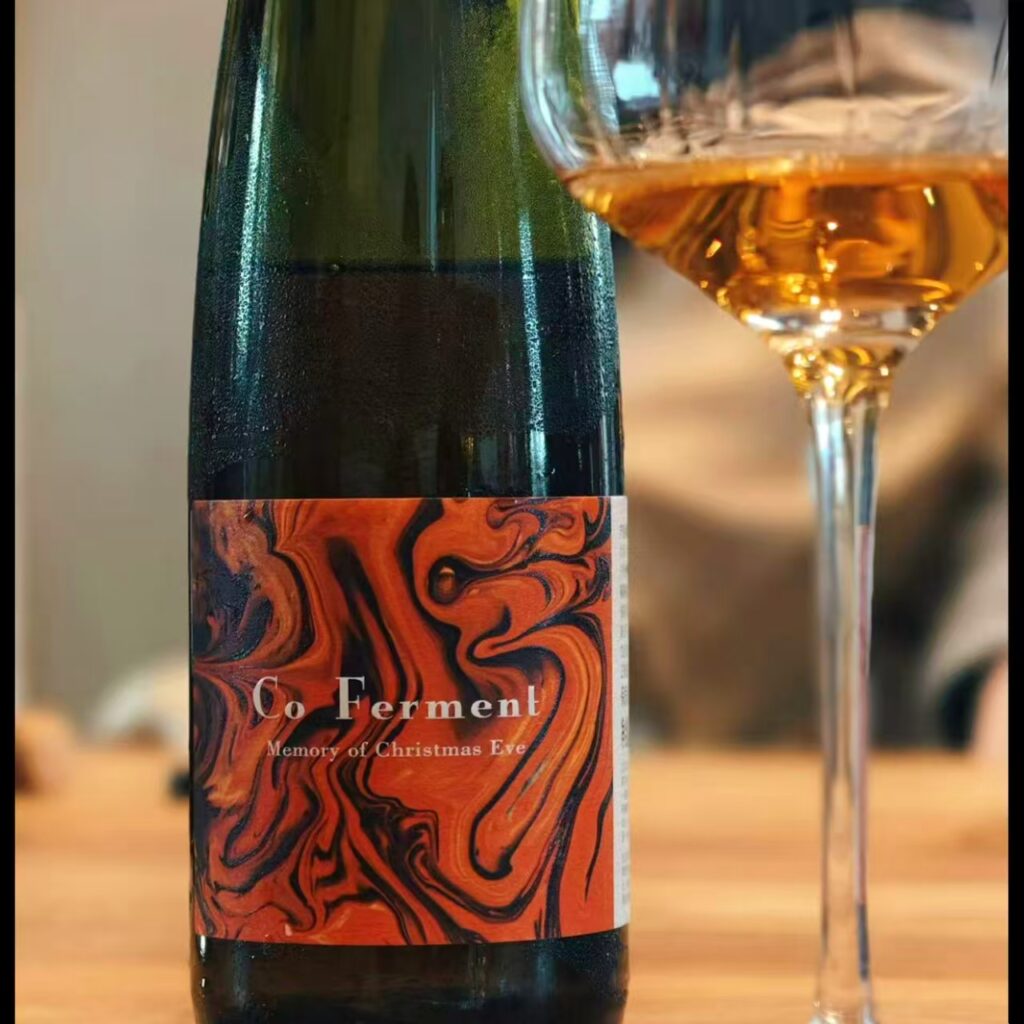
3 Your huangjiu includes tangerine peel, for a refreshing and delicious twist. How did this combination come about? And have you tried any additional fruits or other ingredients?
Back in my first brewing season in 2024, the winter was unusually warm for late December. I still remember that it was Christmas Eve. We had just finished a long day of steaming rice—exhausted, but deeply satisfied.
And you know, my two collegues are about my father’s age. After hours of physical work, all they wanted was a refreshing beer.
So we went to the only restaurant in town serving Guizhou cuisine and brought along a beer brewed with diced orange—a fairly common style.
But somehow, that night, it just hit us. The bright citrus notes worked beautifully with the soft wheat character. That was when the idea came: why not try a small co-fermentation batch with our rice-based huangjiu?
Instead of fresh orange peel, we chose aged Chinese tangerine peel—陈皮—prized for its elegant aroma and long culinary tradition. And that’s how this lovely huangjiu came to life: refreshing, juicy, gently aromatic, with a bright citrus lift carried by the softness of fermented rice.
I haven’t experimented with many other ingredients yet. This aged tangerine peel co-fermentation is still an ongoing project for us, and I hope to continue refining and evolving it year by year.
But after that unexpectedly successful experiment, I became truly convinced of the potential of rice as a grain. It carries so much possibility on its own. So now, most of my time is focused on exploring how to bring more complexity and depth of flavor out of the grain itself.
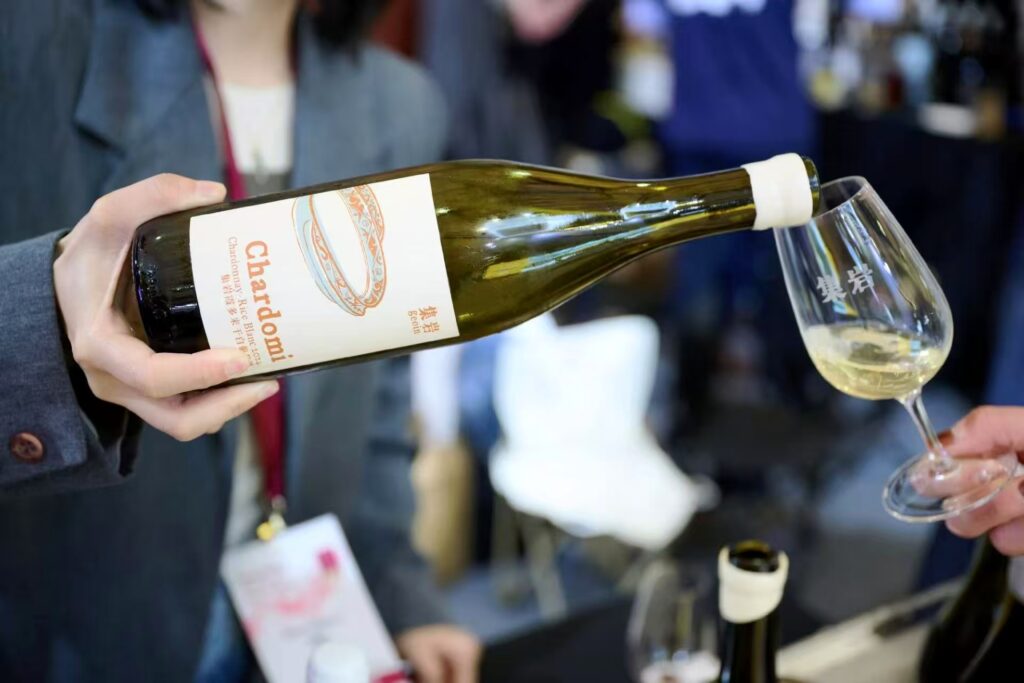
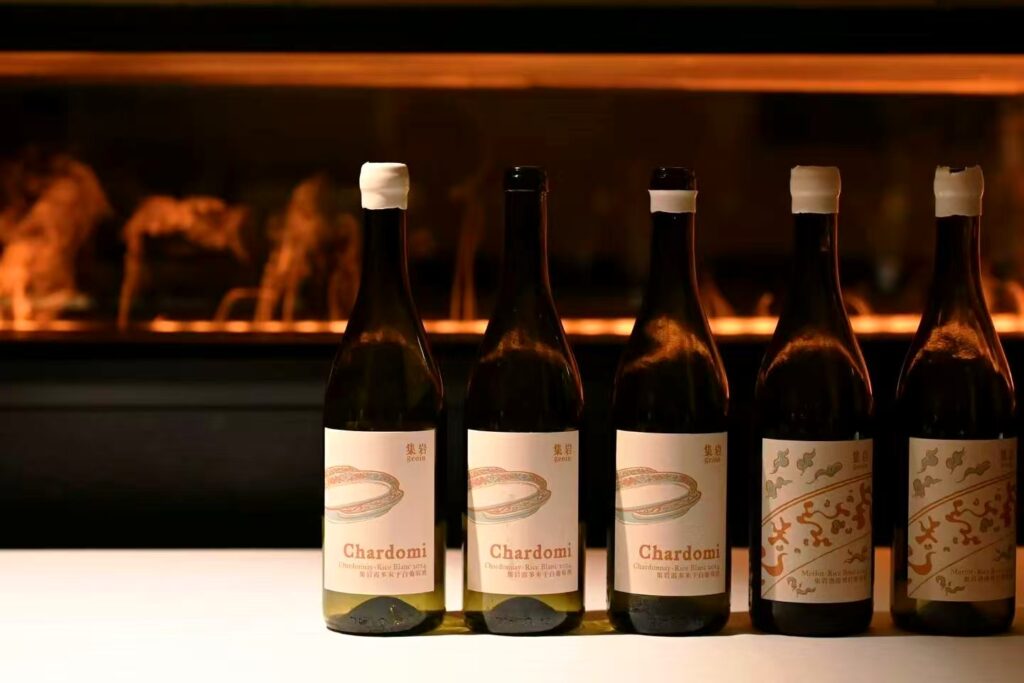
4 Turning to grapes, your Chardomi—a portmanteau of Chardonnay and mi, the Chinese word for rice—brings two worlds together. It’s 80% Chardonnay grapes and 20% glutinous rice.
How does it work given grape wine and rice wine have different fermentation processes?
Rice and grapes are fundamentally different raw materials. Rice must first be soaked, drained, steamed and undergo saccharification—converting starch into fermentable sugar.
Wine grapes, such as Chardonnay, on the other hand, only need to be pressed; the juice is naturally ready to ferment.
This is how our Chardomi was made: we soaked the rice for two days, then steamed it and cooled it down to 35°C to 38°C. After that, we sprinkled in our handmade wild yeast to initiate saccharification, allowing the starch to convert into sugar over the next two days.
We then added a portion of water to encourage a light alcoholic fermentation for one more day before pressing out the rice wine and blending it with freshly pressed grape juice. That’s when the co-fermentation truly began.

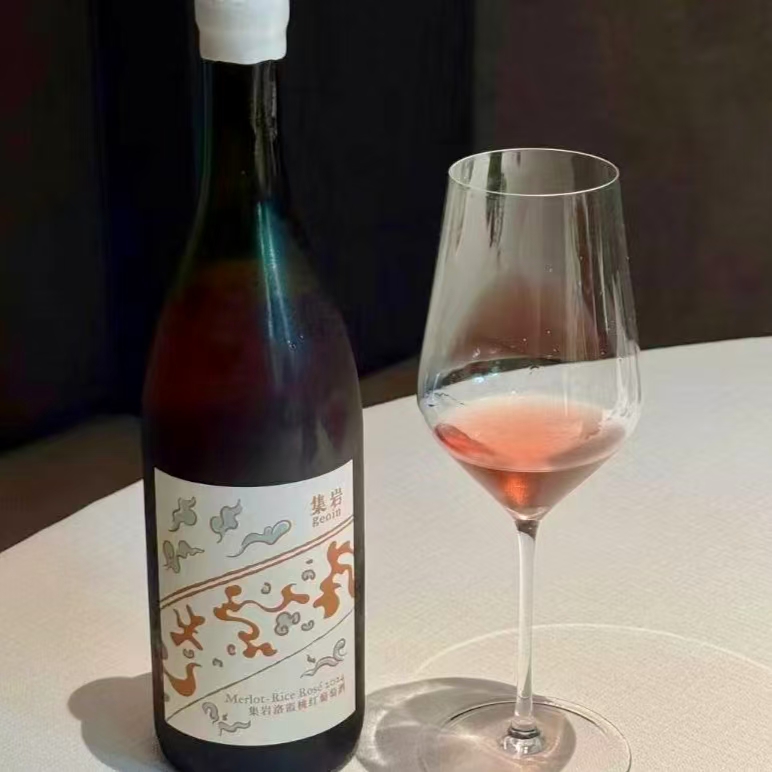
5 You also have a Merlot and rice rose — perhaps that could be called Mi-Lot!? That is an also an 80%-20% blend. Was this ratio due to experiments did it simply work out on the first try?
Ha ha, I actually really thought to name it Milot for the future vintage!
The 80–20 ratio was our first trial. I had experimented with blending rice wine and grape wine before, but co-fermentation is an entirely different process.
In the end, the only way to know whether it would work on a larger scale was to move forward step by step. It carried a certain amount of risk, but also excitement.
6 How have the trade and consumers responded to these products? Is there a consumer niche—in terms of age, location, and so on—that responded particularly well?
Since we launched the product last June, the feedback has been really positive. In just one year, we’ve been listed by more than 100 restaurants and bistros across Shanghai, Beijing, Shenzhen, Guangzhou and Chengdu.
When it first came onto the market, a lot of wine enthusiasts and sake lovers were kind enough to give it a try. I think people were curious about the combination of rice and grape fermentation, especially considering the approachable price.
7 At Wine to Asia, you shared a table with garage winery Jiangyu Ferment in the Yantai region pavilion. What is the relationship between your two brands?
We’re two different brands, but Jiangyu is a nice friend.
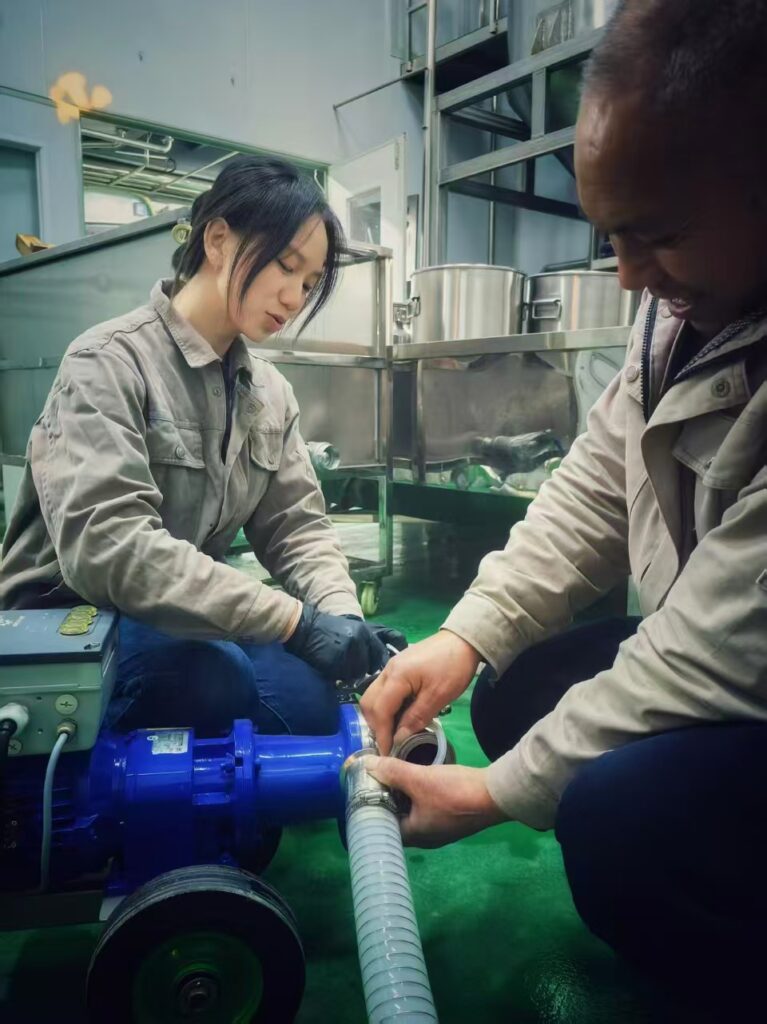
At the time, I didn’t have a wine press at my ricery in Shaoxing, so I borrowed his place to produce my first vintage.

8 Finally, what’s next? You’ve made some intriguing wines in the past year. What else can we expect from Coram Collective!?
Next year, we hope to launch our first huangjiu crafted with a winemaking mindset and aged both in oak barrels and amphoras.
As a ricery, Coram Collective is trying to bring more innovation to huangjiu brewing in the years to come. We know there is still a long way to go and we’re still exploring and refining our approach.
But at least we know clearly what we’re aiming for now: freshness, vibrant acidity, subtle oxidative notes and a gentle touch of residual sugar.
Maybe the easier way to describe it as something close to an aged Champagne—just without the bubbles.
(Get the free Grape Wall newsletter here. Follow on LinkedIn, Instagram, Facebook and Twitter. Grape Wall has no sponsors: help support the mission, including World Marselan Day via PayPal, WeChat or Alipay. Contact Grape Wall at grapewallofchina (at) gmail.com.)