
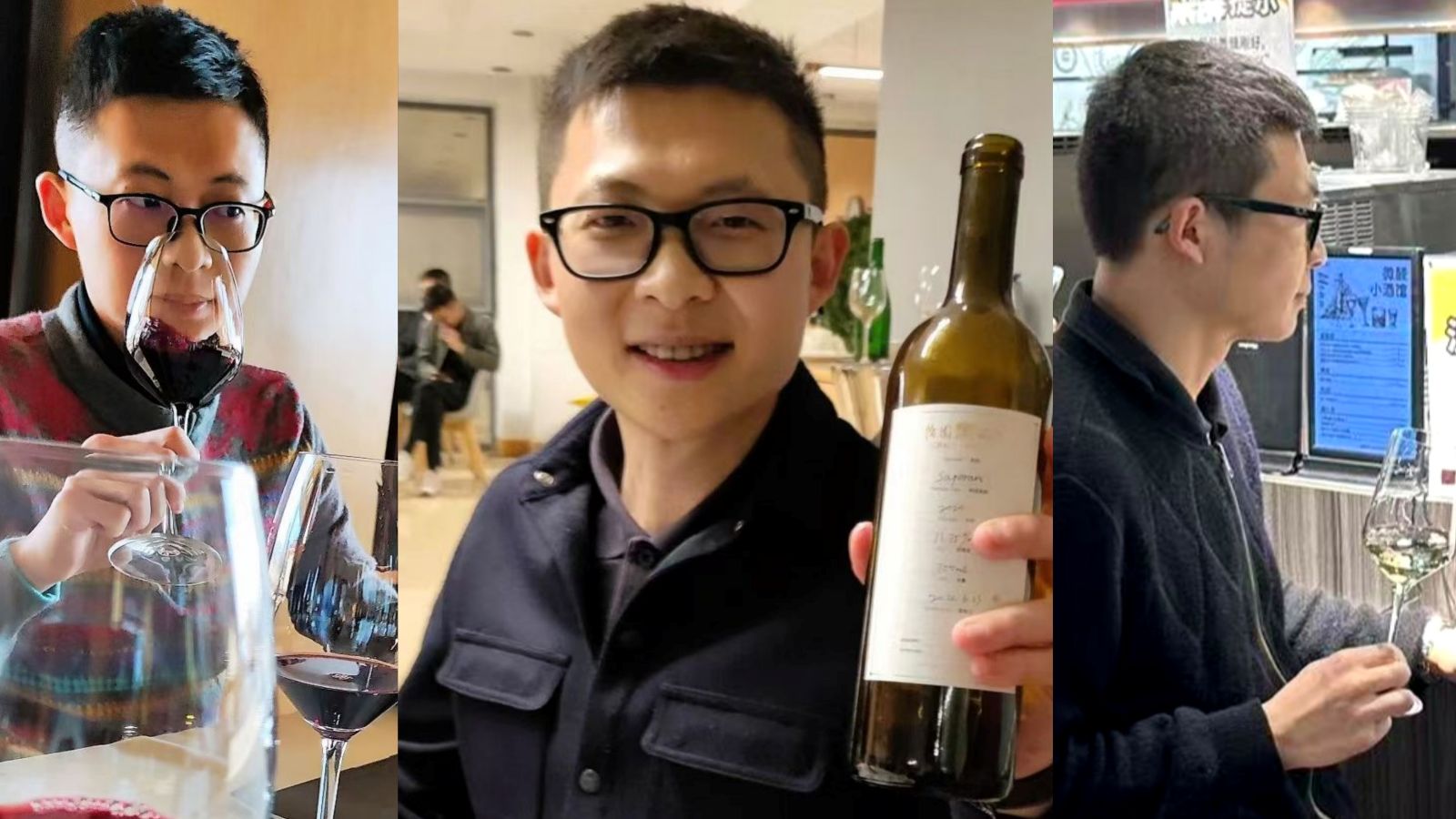
Shuai Zekun ranks among the keenest observers of the Chinese wine scene.
As senior editor for James Suckling, he has not only covered Chile, Argentina, Spain and Bordeaux, but also spearheads the annual Top 100 Wines of China list, sampling hundreds of bottles per year at wineries, at trade festivals, fairs and social events, and in house.
In this Q&8, I ask Shuai about white’s wines China rise, the place of Spanish wines, the China-versus-the-world fine wine dinner, how high-altitude Shangri-la compares with Argentina’s Salta, and more
Check it out below. And check out previous Q&8s with Shuai in 2022, 2023 and 2024.

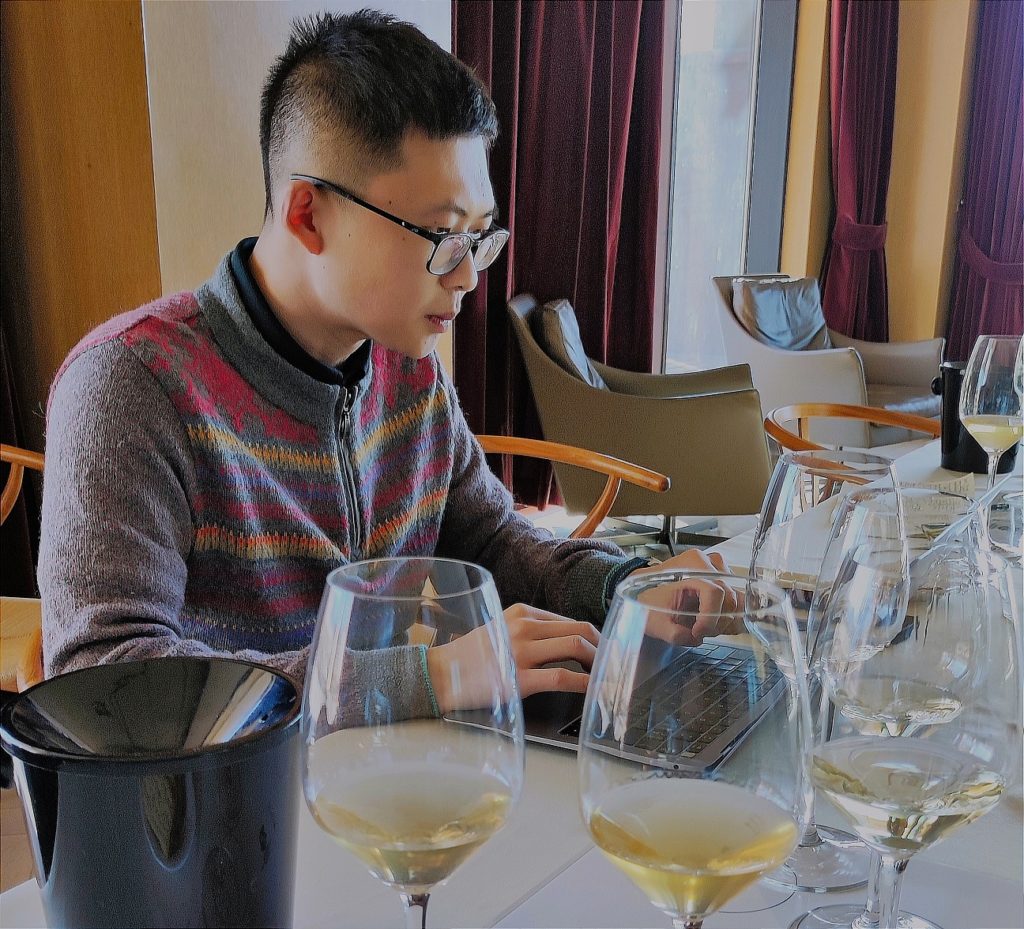
Grape Wall: White wine is rising in China, led by New Zealand Sauvignon Blanc and German Riesling. Local wineries are also making good whites, including Chardonnay, with notable producers in Yunnan. What makes Yunnan so ripe for Chardonnay and what other Chinese regions are showing well?
Shuai Zekun: Yunnan can produce world-class wines—and this potential is clear if you taste the top Chardonnays there. The most straightforward answer would be good fruit with great concentration and acidity. There are many small plots ripe for great wines, probably not only Chardonnay.
In style, it is a bit like combining Burgundy’s sense of terroir—and maybe its savoir-faire as well—with Salta’s altitude and New Zealand’s purity. But in the end, it is Yunnan, not anywhere else.
The limitation would be that these wines are all made in small quantities due to the tiny plots and yields. I think the market is willing to pay more for high quality and scarcity. It is not hype after all.
Keep an eye on Viognier in Ningxia, as well as some orange wines and sparkling wines. The market for white wine is growing and we can expect better-quality white wines from China, too.

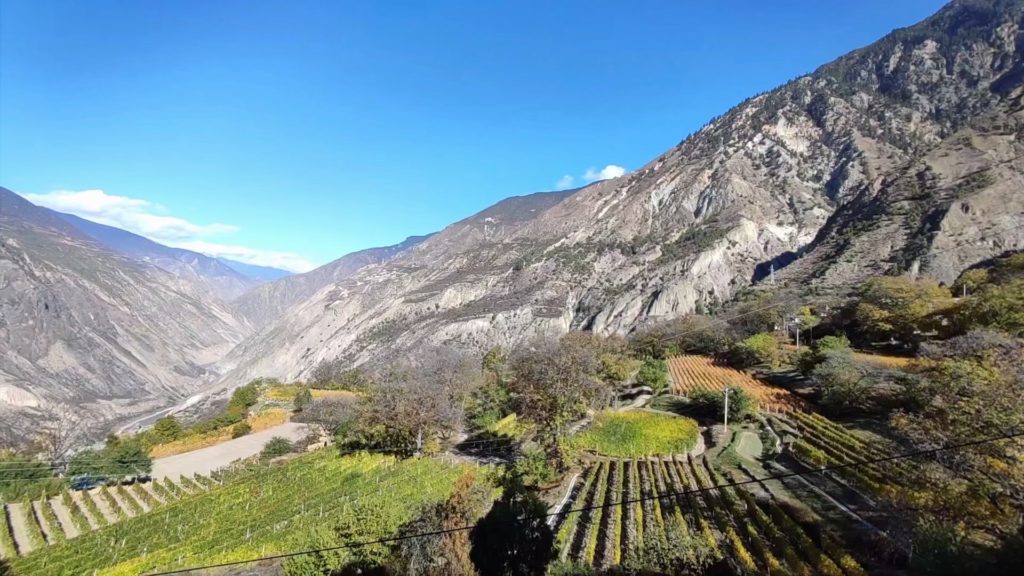
Speaking of high-altitude wine regions, how do those wines from Shangri-la in Yunnan compare with places in South America, such as Salta in Argentina?
Quite different in the climatic context and the resulting wines, even though they share similarities in altitude and day-night temperature variations.
Both regions tend to produce wines with good intensity. Shangri-la seems to be much more varied and diverse, with very different terroirs, levels of rainfall and sub-climates.
Compare Ao Yun and Xiaoling reds and you see the potential for diversity. Also, it is very hard to make wines that aim for quantity in Shangri-la, so aiming for quality is the call.

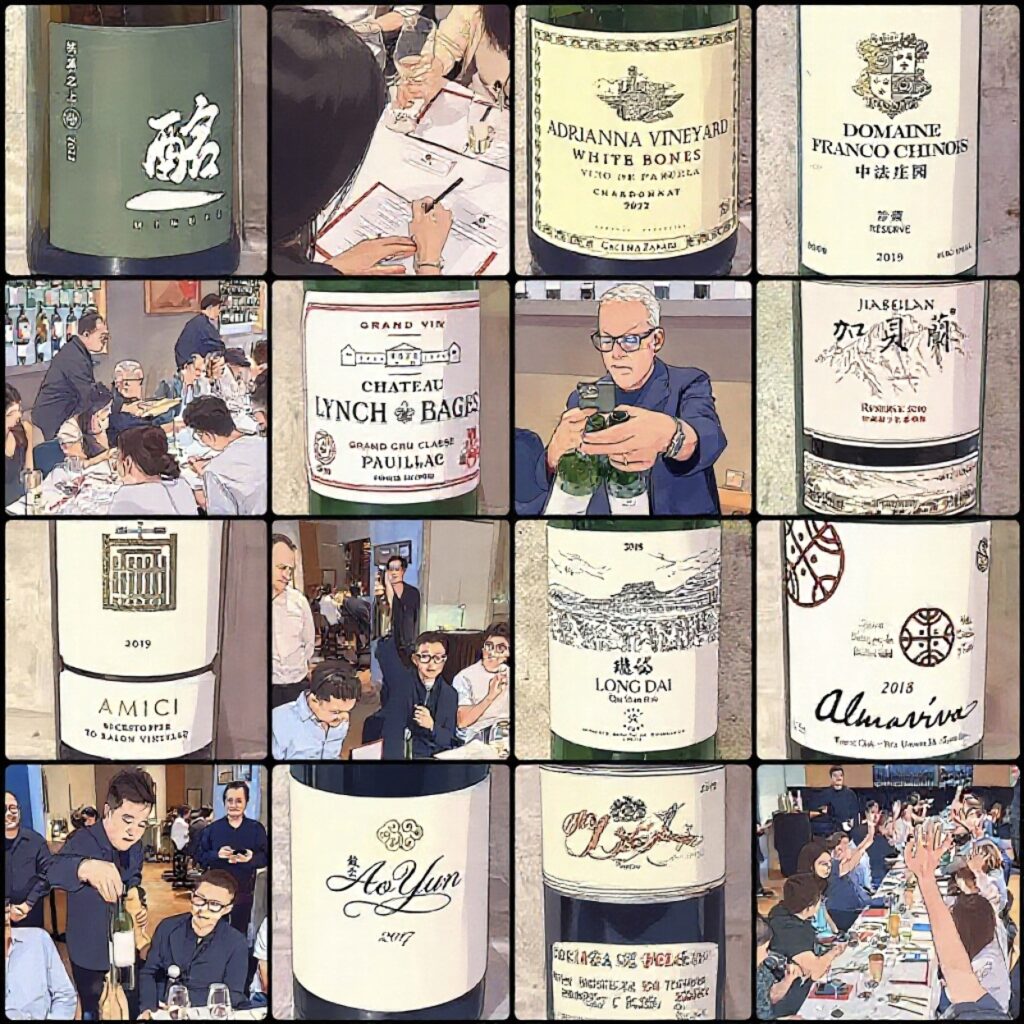
You led a “China versus the World” fine wine tasting in Hong Kong last year. What did that event reveal about Chinese wine quality and what was your favorite from each side?
Absolutely fascinating and interesting. The top wines from China can be compared with the best from the world. But don’t overread this, either, as it’s just one tasting featuring six pairs of wines.
It is however very invigorating to see that people enjoy comparing them side by side and to see Chinese wines hold their position.
I chose the wines, and, of course, I have to think about the cost of the dinner as well. We could set up another tasting with Mingyi against a Grand Cru Burgundy white, which might be more fun.
I really enjoyed Mingyi ‘Above the Creek’ Chardonnay, Catena Zapata ‘White Bones’ Chardonnay, Lynch Bages 2019 and Long Dai 2018 that night. Of course, the rest also showed really well.
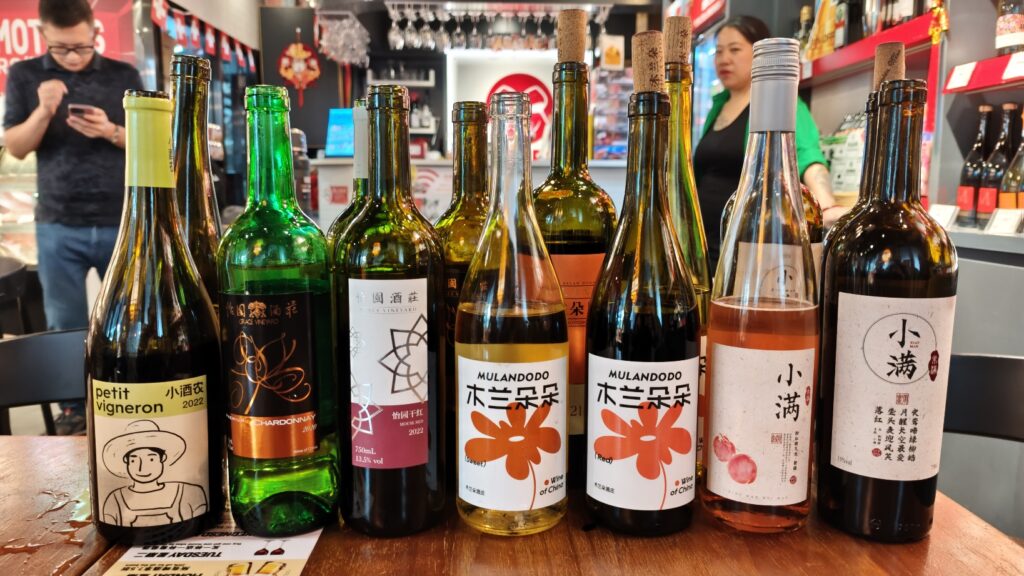
We also tasted a bunch of Chinese wines under RMB 100 in Beijing last year. What were your key takeaways from that tasting in terms of quality and value?
To be honest, I was expecting a bit more quality below RMB100. But it was good to see a simple sweet muscat and some of the Grace Vineyard wines showing reasonably well. The takeaway is Chinese wines aren’t yet very competitive in this price category.
You’ve ranked many Spanish wines and they offer incredible value for money in China. Where is the best value for those seeking to explore?
Spain still struggles with its old image of producing oaky and powerful wines of similar style and of bulk winemaking. The exciting things tend to happen among younger winemakers, with top terroir-conscious wines being produced nowadays.
There are lots of contrasting styles and diversity, lots of vineyards that got resurrected, and there is a movement to revive the old traditions as people draw wisdom from the past.
That is happening in Rioja and Ribera del Duero now. Bierzo, Galicia and Jerez are all also very interesting, and value is everywhere.

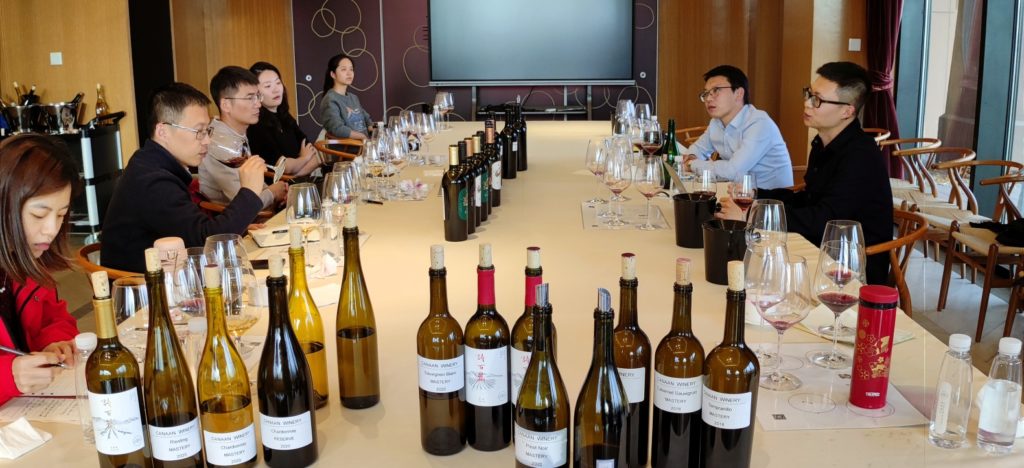
You visit Huailai County just outside Beijing annually to taste wines from Canaan, Domaine Franco-Chinois, Amethyst and more. How influential is vintage in Huailai?
Vintage is probably more important for Huailai than people expect. The good thing is that difficult rainy vintages aren’t that bad. They can deliver more elegance, fluidity and freshness for the leading producers.
Of note, 2014, 2017, 2019 and 2022 have been considered good warm years without too much rain hitting during the summer. These vintages potentially can make some of the best wines from China.
It is shame to see that Huailai doesn’t have that much of a vibe for winemaking.
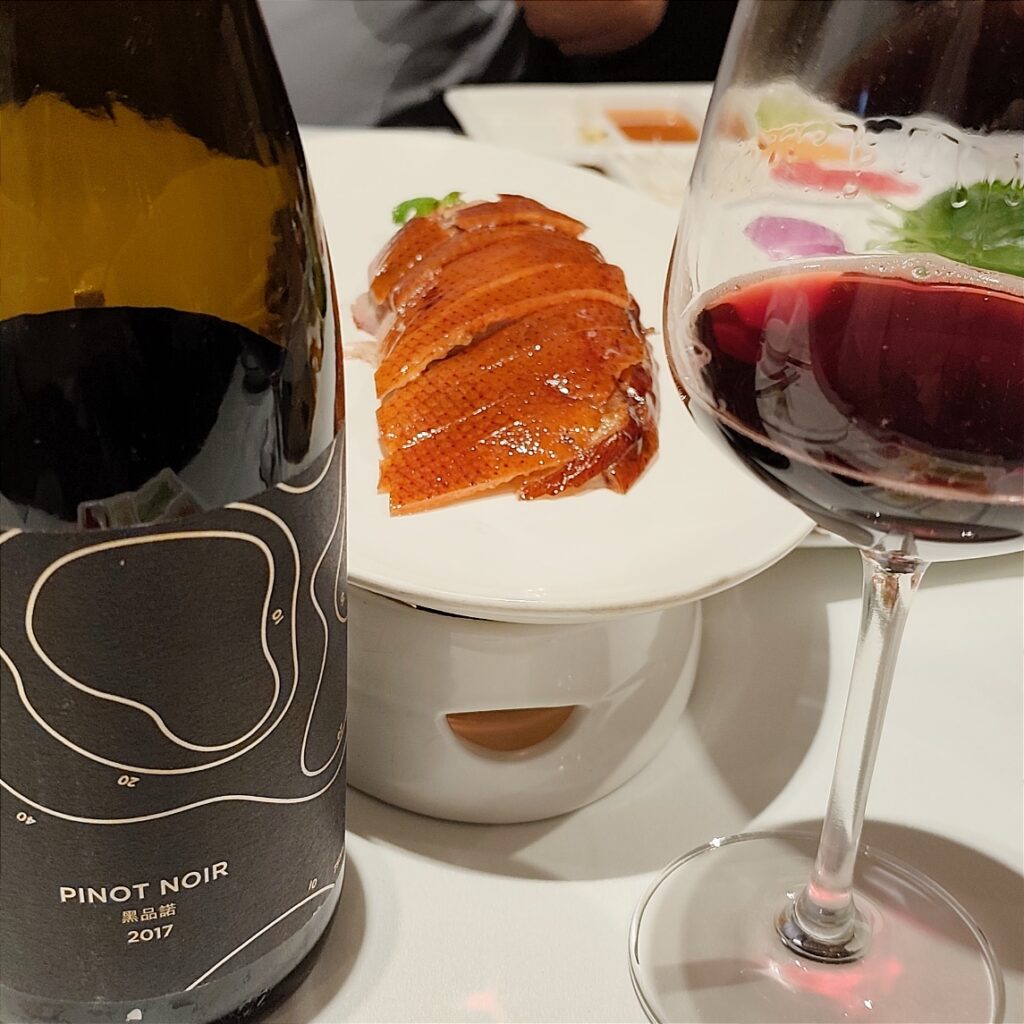
Your home is in Beijing. Let me name three foods popular here and get a wine recommendation for each. Beijing duck. Beijing hotpot. And candied hawthorn.
Duck is easy—there are many choices. Anything that has good acidity if you like contrasting flavors that cut through the oiliness. But it is the sauce and all the other ingredients that matter more. That’s why Pinot Nior works well for dry reds and Gewurztraminer or even Barsac for matching the lightly sweet sauce.
I would go for a Condrieu Viognier to complement the flavors. Something fresh, a little unctuous, but not too bright.
Hotpot? Just go with any white or sparkling wine with good acidity. Nothing can match the sesame sauce, though. So, if you enjoy sesame sauce with mutton, maybe you need sherry fino or something a little wild but nice, such as a Gredos Garnacha, a Canary Island red or a Chilean Pais.
There is no occasion for candied hawthorn with wine. Maybe dealcoholized wine, which is often like a juice, with no texture and a semisweet feel. I wouldn’t drink that though.

Finally, Year of the Horse is almost here. What are you looking forward to this coming year, especially in terms of the China wine scene?
I expect and hope there will be growth for the top end as well as better quality but more affordable wines from China at the lower range. Wine is about laughter and democracy, and there should be wines for everyone, and we should stop judging people for what they like. We need people to drink, share and post on social media, don’t we?
Find more Q&8s here. This Q&8 first appeared in the Grape Wall newsletter. Sign up for free here.
(Get the free Grape Wall newsletter here. Follow on LinkedIn, Instagram, Facebook and Twitter. Grape Wall has no sponsors: help support the mission, including World Marselan Day via PayPal, WeChat or Alipay. Contact Grape Wall at grapewallofchina (at) gmail.com.)